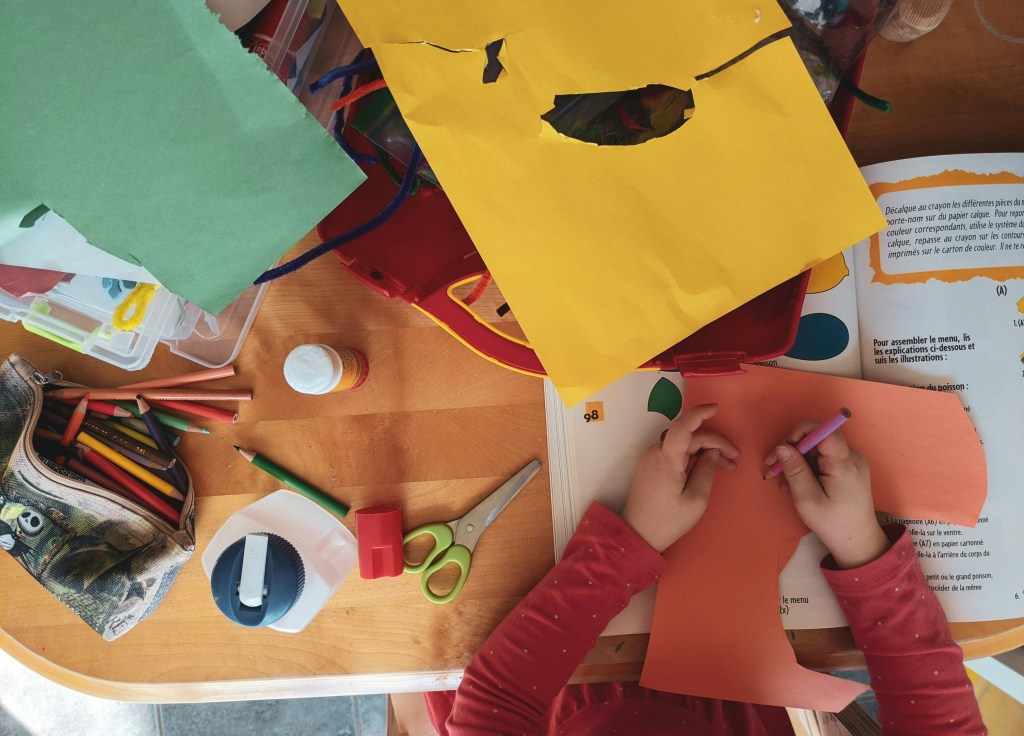
Preschoolers are in a powerful stage of development where their hands, eyes, and brains work together in new and exciting ways. Fine motor skills at this age support early writing, drawing, cutting, self‑help tasks, and the confidence to explore more complex activities.
This stage is all about practice through play—the more opportunities children have to pinch, squeeze, cut, draw, and build, the stronger their hands become.
What Fine Motor Skills Look Like in Preschoolers
[Insert Image: Close‑up of preschooler holding a pencil or crayon]
Preschoolers typically begin to:
- Hold crayons or markers with a more mature grip
- Cut along lines with scissors
- Build taller, more stable block structures
- Thread beads or pasta onto strings
- Use playdough tools with purpose
- Draw simple shapes and early letters
- Turn pages one at a time
These skills lay the foundation for handwriting, independence, and early academic readiness.
Why Fine Motor Skills Matter at This Age
Fine motor development supports:
- Early writing and drawing
- Hand‑eye coordination
- Bilateral coordination (using both hands together)
- Independence in dressing, feeding, and hygiene
- Cognitive development through problem‑solving
Preschoolers who practice fine motor skills regularly often show more confidence in early learning tasks.
Fine Motor Activities for Preschoolers (Ages 3–5)
Below are engaging, development‑boosting activities that use simple materials and encourage creativity.
1. Scissor Practice & Cutting Lines
[Insert Image: Preschooler cutting along dotted lines]
Offer:
- Straight lines
- Curved lines
- Simple shapes
- Thick paper for easier control
What it builds: Hand strength, precision, bilateral coordination
2. Playdough Tools & Manipulation
[Insert Image: Preschooler rolling playdough with a small rolling pin]
Encourage:
- Rolling snakes
- Cutting with plastic knives
- Pressing stamps
- Pinching small pieces
What it builds: Finger strength, dexterity, creativity
3. Beading & Threading
[Insert Image: Preschooler threading large beads]
Use:
- Large beads
- Pasta noodles
- Pipe cleaners
- Shoelaces or yarn
What it builds: Pincer grasp, focus, hand‑eye coordination
4. Early Writing & Drawing Practice
[Insert Image: Preschooler drawing shapes on paper]
Provide:
- Crayons
- Markers
- Chalk
- Dry‑erase boards
Encourage drawing:
- Circles
- Lines
- Simple shapes
- Early letters
What it builds: Grip strength, pre‑writing readiness
5. Sticker Play & Peel‑and‑Place Activities
[Insert Image: Preschooler peeling stickers]
Try:
- Dot stickers
- Reusable sticker books
- Shape stickers
What it builds: Finger isolation, precision, patience
Tips for Parents & Educators
- Keep activities playful
- Offer a variety of textures and tools
- Model how to use materials
- Celebrate effort, not perfection
- Provide short, frequent opportunities
Fine motor development grows naturally through hands‑on exploration.
 Kids Learning Activities
Leave a comment